
Masonry Painters in Chesterfield
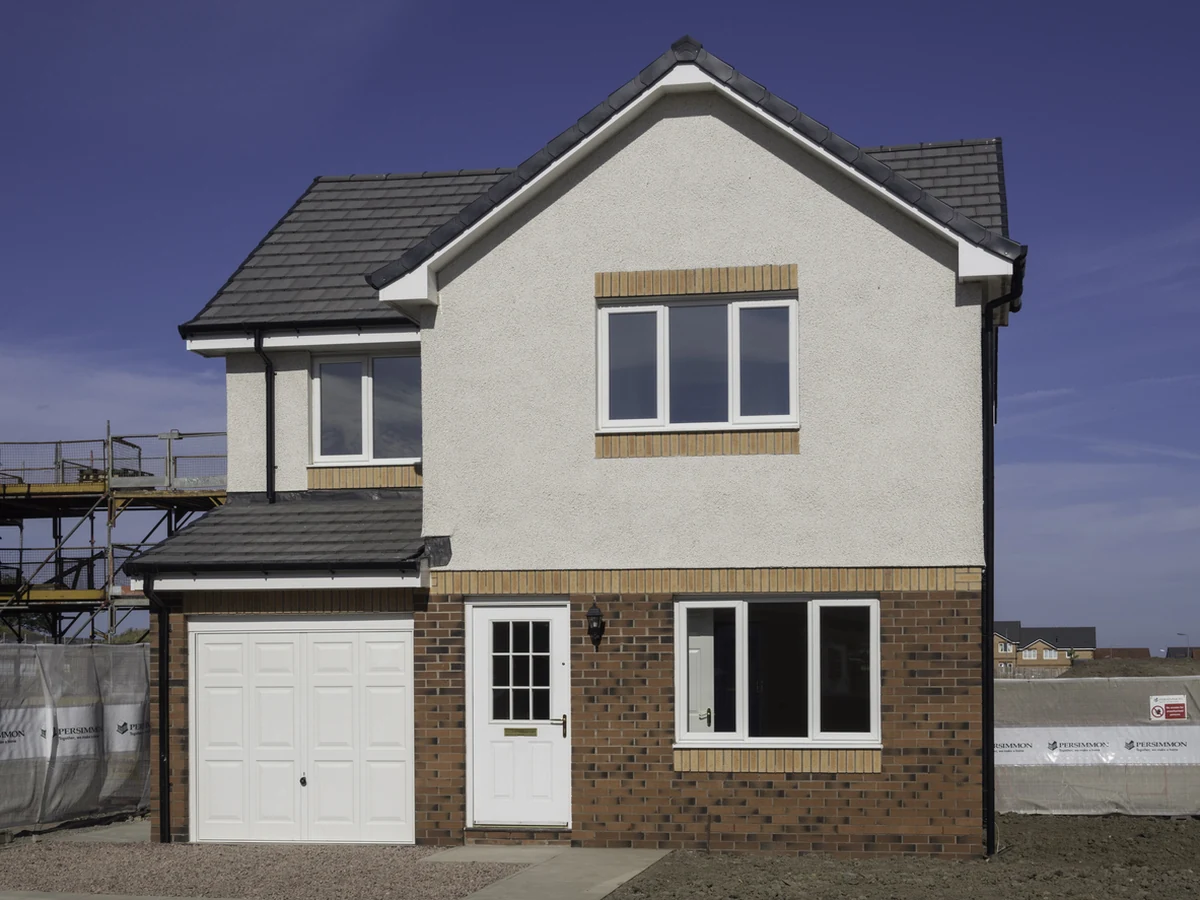
Chesterfield Decorators are Chesterfield’s masonry painters, covering exterior render, brick, and stone across Hasland, Walton, and Brampton.
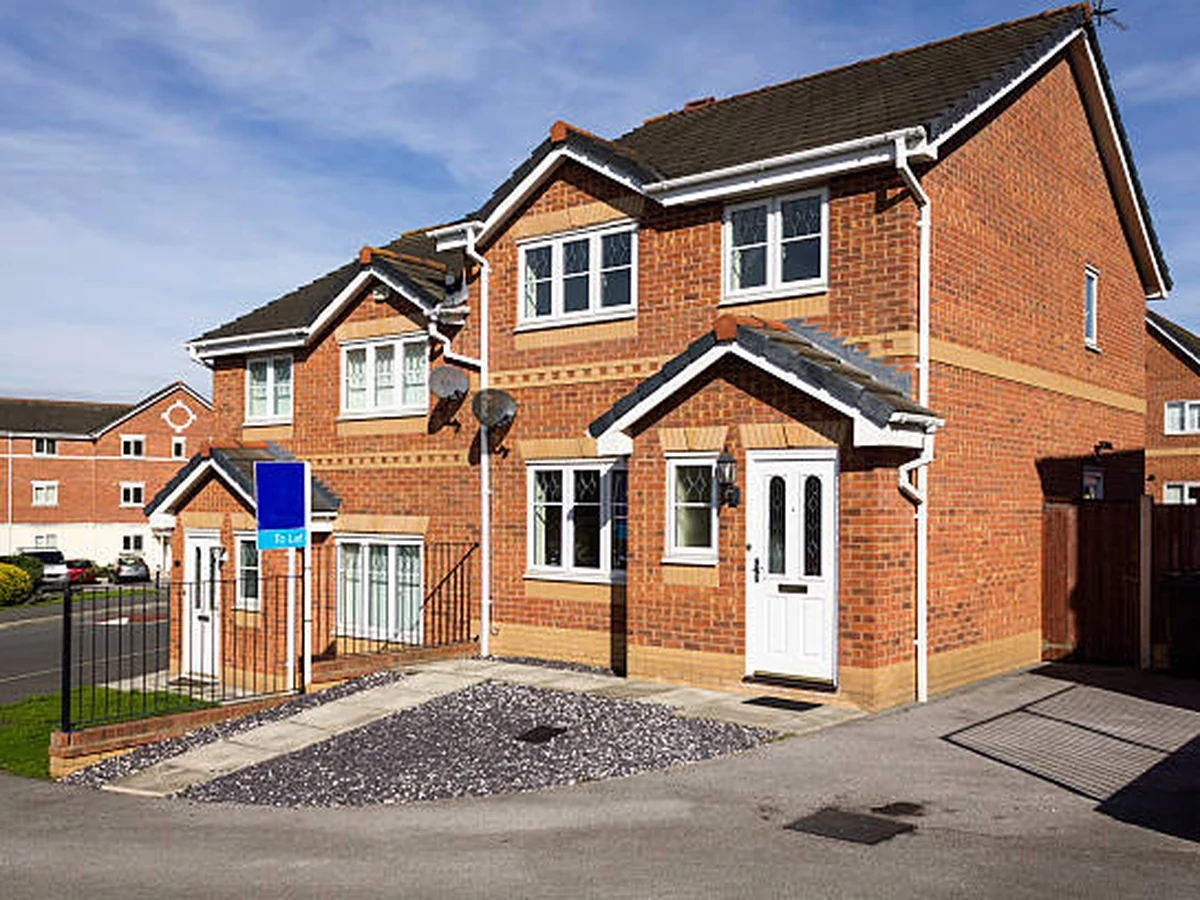
- Rendered walls: 1930s semis and post-war housing across Hasland and Walton
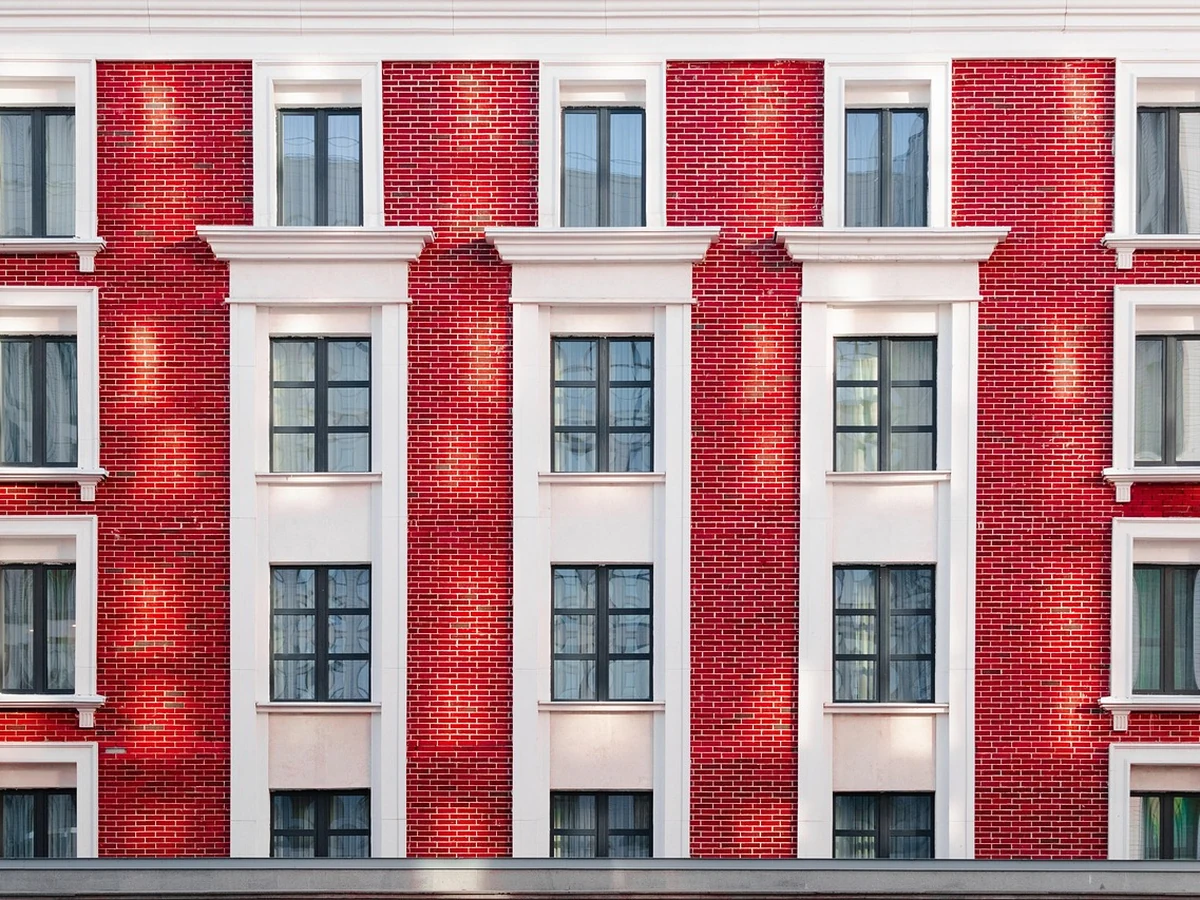
- Exposed brick: Victorian terraces in Brampton and Newbold
- Stone facades: period cottages and original stonework in Old Whittington and Bolsover
- Breathable masonry coatings: applied over render and stone to allow moisture movement
- Biological growth treatment: algae, lichen, and moss removed before any coating is applied
Exterior masonry takes the full force of a Derbyshire winter. Rain, frost, and biological growth degrade the surface over time. We clean, treat, and coat exterior masonry properly so the finish holds and the wall breathes underneath.
Call 01246 607076 for a free quote.
Why Choose Chesterfield Decorators
Masonry Experts
Breathable and waterproof systems for render, brick, and stone.
Clear Pricing
Fixed price from the first quote. No unexpected additions.
Fully Insured
Full public liability cover on every job.
Highly Recommended
The decorators we work with earn most of their work from repeat clients and referrals.
Get My Free Quote
Get a free masonry painting quote today
Masonry Painting Services
Rendered Walls
The 1930s and 1950s semis across Hasland Road, Walton Road, and Brimington are predominantly rendered. These surfaces go on regular recoating cycles: typically every eight to twelve years depending on exposure and coating quality.
The render condition first is assessed. Blown, cracked, or hollow sections are cut out and repaired before any paint is applied. Painting over failing render traps moisture and accelerates deterioration. We do not take that shortcut.
Exposed Brick
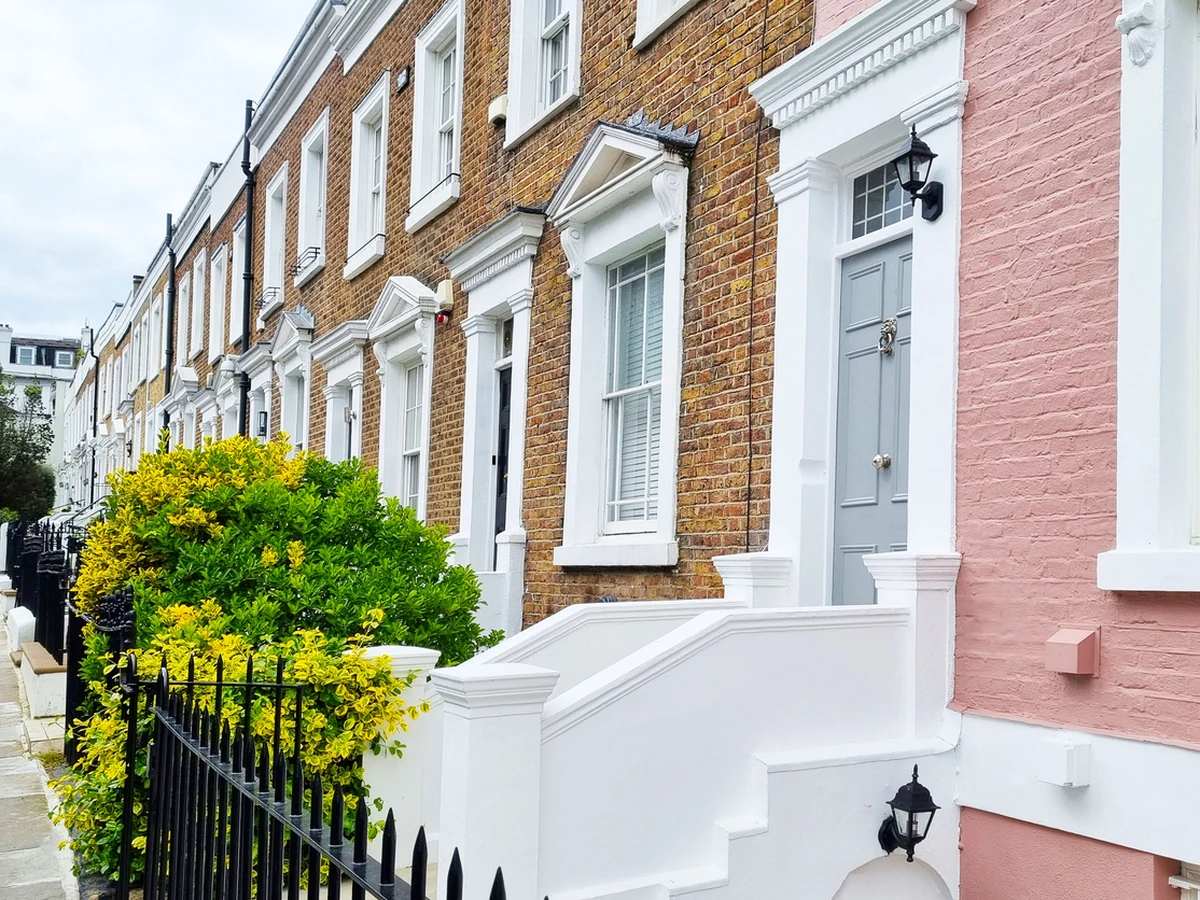
Victorian terraces in Brampton and Newbold often feature unpainted or previously painted exposed brick. Where brick has been painted before, your decorator assesses adhesion and determine whether the existing coat can be overcoated or needs stripping.
Fresh brick painting uses a breathable masonry paint that allows water vapour to escape. This is critical on older brickwork where moisture movement through the wall is normal. A non-breathable coating causes paint failure within a few years.
Stone Facades
Properties in Old Whittington and around Bolsover often feature original stone facades: Derbyshire gritstone or limestone. Stone is porous and requires specific treatment before painting.
We clean stone thoroughly, remove any previous failed coatings, and apply a penetrating primer before the top coat. Where stone is unpainted and the customer wants to keep it natural, we advise on consolidant treatments rather than paint.
Breathable Coatings and Biological Treatment
Breathable Coatings
Many older properties across Chesterfield were built without cavity walls. Moisture moves through the wall structure by design. Applying a non-breathable masonry paint to these walls traps moisture inside, leading to damp, blown render, and early paint failure.
We specify breathable masonry coatings for all pre-1945 properties as standard. These coatings allow water vapour to pass through while keeping liquid water out. The finish is comparable to standard masonry paint: flat, durable, and available in a wide colour range.
Biological Growth Treatment
Algae, lichen, and moss are common on north-facing and shaded walls across Chesterfield. Left untreated, biological growth traps moisture against the surface and continues to spread under a fresh coat of paint.
Your decorator applies a mould treatment and allows full dwell time before rinsing. On heavy growth, mechanical removal is carried out first. Biological treatment is always a preparatory step, not an optional extra.
Here’s How It Works
1. Survey
Your decorator inspects the full masonry surface: render condition, existing coating adhesion, biological growth, cracks, and pointing. The survey determines prep requirements before we price.
2. Cleaning
Surfaces are jet washed and treated with a mould treatment solution. Biological growth is removed and the wall is left to dry before any coatings are applied.
3. Repair
Cracked or blown render is cut back to a sound edge and filled. Cracks in mortar joints are raked out and repointed. All repairs are allowed to fully cure.
4. Priming
Bare repairs and absorbent surfaces receive a stabilising primer or penetrating sealer. This step controls suction and gives the top coat a consistent base.
5. Top Coats
Breathable masonry paint is applied in two coats. Your decorator uses a brush and roller combination to work paint into the surface texture. Spray is used where access and conditions allow.
6. Inspection
The finished wall is checked for coverage gaps, runs, and missed areas. Any issues are corrected before we leave site.
Get My Free Quote
Speak to a local masonry painter today
Masonry Painting FAQs
Get My Free Quote
Fill in the form below for a free quote: